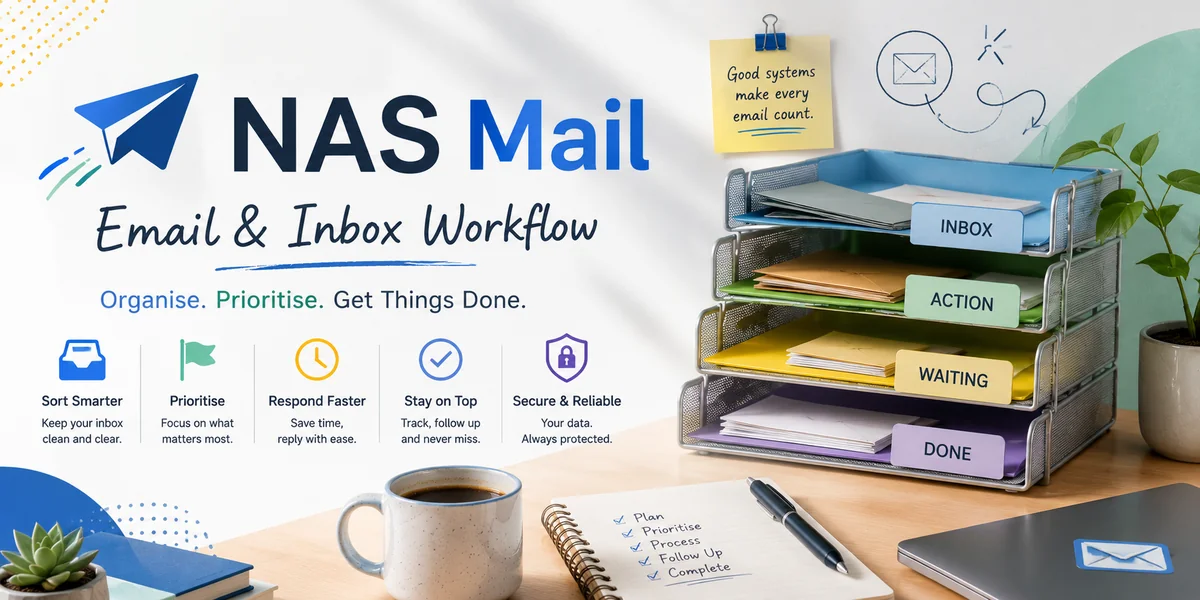
Customer follow-up becomes difficult long before a business needs an elaborate customer platform. A handful of active conversations can be remembered; dozens of quotations, unanswered questions, promised callbacks and future check-ins cannot. The common mistake is either to keep everything in personal inboxes or to introduce a complicated tool that staff stop updating. The better approach is to make the next action visible with the simplest shared method that matches the team's volume and risk.
Track the next action, not every possible detail
For each follow-up, capture who the customer is, what needs to happen, who owns it and when it should be reviewed. Add enough context for another authorised colleague to understand the task.
A lightweight tracker becomes unusable when every interaction requires dozens of fields. Start with information that changes what the team will actually do.
Use a shared list when the workflow is simple
A small team with modest volume may be able to use a shared task list or carefully controlled spreadsheet. The key is that everybody works from the same version and follows the same ownership rules.
Define a small set of statuses such as waiting for customer, action required and complete only if those labels help staff make decisions. Avoid turning a simple list into a homemade CRM through endless columns.
Use inbox features for short-lived reminders
Flags, snooze functions and reminders can be useful when one person needs to revisit a conversation soon. They are less reliable as the only record for work that must remain visible to a team.
If a follow-up matters when somebody is absent, it should live somewhere an appropriate colleague can see and own it. Personal inbox organisation is not the same as shared operational control.
Move to a managed inbox when ownership is the problem
Where several people answer one address, a shared or managed inbox can help show assignment and status around the conversation itself. This reduces forwarding and duplicate replies.
The team still needs a clear rule for when ownership begins, when it transfers and what “done” means. Software cannot resolve ambiguous responsibility by itself.
Consider a CRM when customer history matters across stages
A customer relationship management system becomes more useful when follow-ups span sales, delivery and repeat business, or when several people need a durable view of the relationship.
Choose the smallest configuration that supports the real process. If staff must complete unnecessary administration for every contact, they may return to private notes and the shared record will lose credibility.
Create one daily or weekly follow-up view
Whatever tool is used, staff should be able to see what is due without searching through individual records. A clear review view turns stored information into action.
Managers should also be able to identify overdue or unowned follow-ups. The purpose is not surveillance; it is to prevent customer commitments depending on memory.
Close or reschedule follow-ups deliberately
When an action is completed, record the outcome or next step. If the timing changes, set a new review point rather than leaving an overdue task in the list indefinitely.
Old overdue items create noise and teach staff that the tracker is not trustworthy. A useful system should reflect the current reality of the relationship.
Upgrade only when the simple method stops working
Watch for signs that the current tool has reached its limit: duplicate records, unclear ownership, difficult reporting, missed handovers or extensive manual copying between systems.
Tracking customer follow-ups does not have to begin with complex software. It begins with a dependable next-action habit and one shared place to see it. Use the lightest tool that provides that control, then add structure only when the team's real work demands it. Simplicity is valuable when it makes follow-up easier to perform, not when it hides important customer commitments.