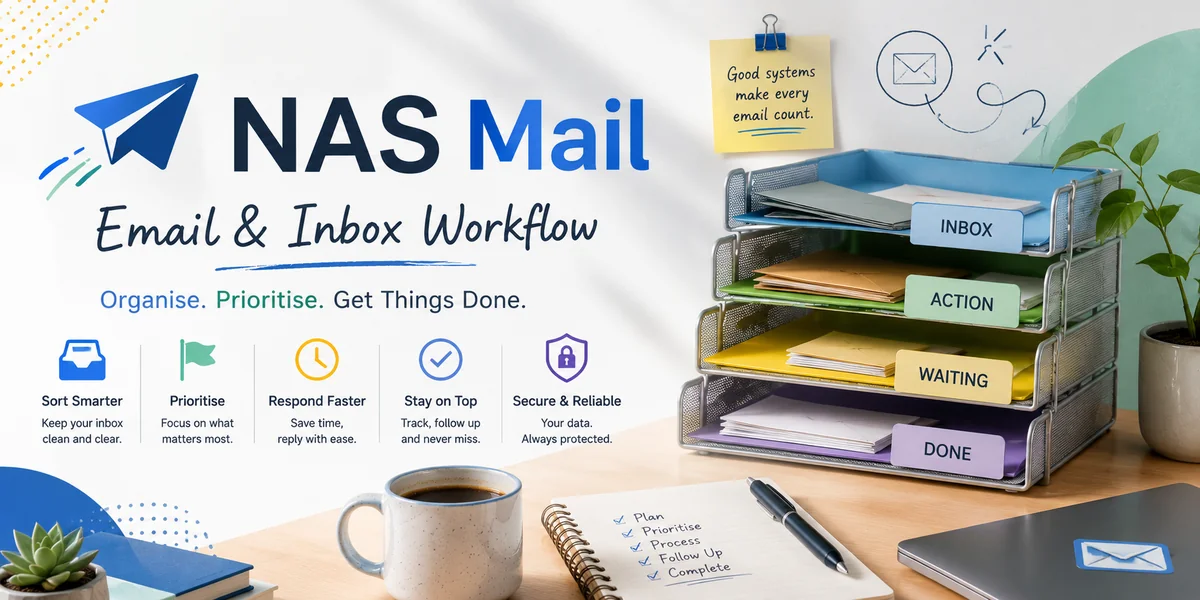
High email volume changes behaviour before it changes standards. People scan faster, choose the easiest messages first and postpone replies that require thought. Shared inboxes fill with partial work, customers chase for updates and the team begins measuring success by how many messages disappear rather than whether enquiries are actually resolved. Maintaining quality during a busy period requires a deliberate operating method: protect the work that needs judgement, standardise what can safely be standardised and keep ownership visible even when the queue is growing.
Define what quality means before pressure rises
Agree the essentials that should remain true in every customer reply. These may include answering the actual question, using accurate information, stating the next action and avoiding commitments the sender is not authorised to make.
A short quality standard gives staff something practical to protect when time is limited. Without one, “work faster” can become an invitation to omit whatever each individual considers optional.
Triage the queue by consequence and need
Do not rely entirely on arrival order. Identify messages that affect active work, existing commitments, vulnerable service situations or time-sensitive decisions, while still ensuring routine enquiries continue to move.
Triage should be simple enough to operate under pressure. An elaborate classification system that takes longer than reading the email can create more administration than control.
Separate quick work from complex work
Some enquiries can be resolved accurately in one short response; others require investigation or approval. Treating both types as identical queue items encourages staff to avoid difficult messages because quick replies make the inbox count fall faster.
Create visible ownership for complex work and acknowledge it appropriately where necessary. That allows the team to continue processing routine enquiries without losing the harder cases.
Use templates as controlled starting points
Well-maintained templates can save time for repeated situations, but staff should check that the wording fits the individual customer and current facts before sending.
Remove outdated templates and make approved versions easy to find. A busy period is exactly when people are most likely to reuse old wording without noticing that a process, contact route or service detail has changed.
Reduce avoidable internal email traffic
When the customer queue is heavy, unnecessary reply-all chains and status emails consume the same attention needed for external service. Move internal coordination into the appropriate shared task or communication system where practical.
Managers should also avoid requesting individual updates that can already be seen in a shared queue. Visibility should reduce reporting work, not create another layer of it.
Protect review for higher-risk replies
Speed should not remove checks from messages involving complaints, unusual commitments, sensitive information or decisions outside routine authority. Define which replies require another person to review them before sending.
Not every email needs approval. Concentrating review on the situations where an error would matter most preserves control without turning the whole queue into a bottleneck.
Watch workload and handovers during the surge
Make sure staff know when to transfer work, request help or escalate a growing backlog. Quietly accumulating hundreds of personally owned messages is not a sustainable coping strategy.
At shift, day or team boundaries, hand over open high-priority items explicitly. The queue should show what is waiting and why, rather than depending on somebody remembering it after the busy period ends.
Learn from the volume once pressure eases
Review what caused the increase and which enquiries consumed the most effort. A campaign, service disruption, unclear customer update or recurring question may have generated avoidable contact.
The objective is not simply to survive each busy period and return to normal. Improve templates, source information, routing and staffing arrangements based on what the queue revealed. High-volume email can expose weak processes quickly; a disciplined response preserves customer quality now and provides evidence for making the next peak easier to manage.