49 Top Email Marketing Statistics - Forbes
Email marketing remains a vital tool for businesses seeking to maintain a strong connection with their existing customers and attract new ones. The effectiveness of email marketing can be gauged by the statistics that reveal its potential impact on both small and large-scale organisations. According to recent data, 49% of companies use email marketing as a key component of their overall marketing strategy, while a staggering 77% of marketers consider it an essential channel for reaching customers. Furthermore, email marketing has been shown to deliver significantly higher conversion rates compared to traditional forms of direct mail and telemarketing. The rise of mobile devices and the increasing popularity of smartwatches have also led to a significant increase in the number of people checking their emails on-the-go.
First subheading: Understanding the Importance of Email Marketing
Second subheading: The Benefits of Effective Email Campaigns
Effective email campaigns can have a significant impact on businesses, allowing them to build strong relationships with customers and tailor their marketing efforts to specific groups. By segmenting their lists and using personalisation techniques, organisations can increase the likelihood of engagement and conversion rates, ultimately driving revenue growth. Moreover, well-crafted emails can also help reduce costs associated with traditional marketing methods, such as print and television advertising. As a result, effective email campaigns are becoming an increasingly important part of businesses' overall marketing strategies, providing a targeted and cost-effective way to reach customers.
Third subheading: Measuring Success in Email Marketing
Measuring success in email marketing requires a nuanced approach, one that considers both quantitative and qualitative metrics. Key performance indicators (KPIs) such as open rates, click-through rates, and conversion rates provide valuable insights into the effectiveness of campaigns, while metrics like unsubscribes and bounce rates offer clues about list health. It's also essential to track engagement metrics, including time spent viewing emails, bounces, and complaints, to gauge how well an email resonates with its audience. By combining these data points, businesses can gain a comprehensive understanding of their email marketing efforts' impact on sales, customer acquisition, and overall revenue growth.
How-to: Creating an Optimal Email Workflow
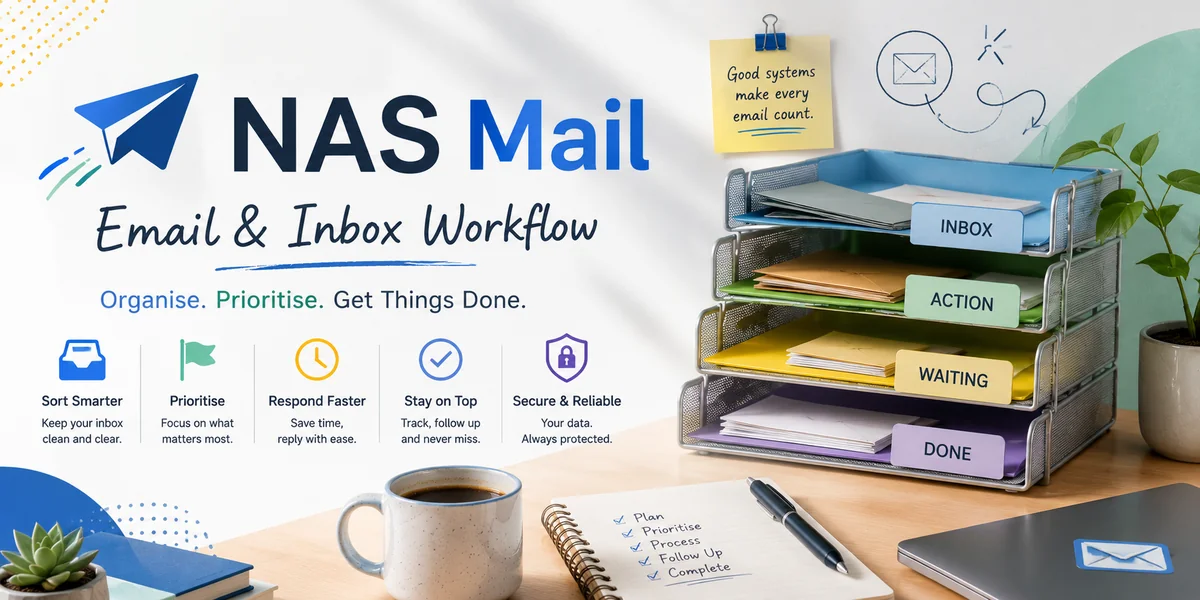
- Set up separate email accounts for personal and professional use to maintain a clear distinction between work and private life.
- Create a list of frequently sent emails or templates to save time and increase efficiency in your daily workflow.
- Use a task management system or calendar to schedule emails, set reminders, and track follow-ups to ensure timely communication with clients and contacts.
- Prioritise email replies based on urgency and importance, focusing on the most critical messages first to avoid delays and maintain productivity.
- Regularly clean out your inbox by deleting or archiving unresponsive or outdated emails to keep your workflow organised and clutter-free.
Worked Example: Improving Customer Follow-up with Email
A local bakery, The Daily Loaf, sends a weekly email newsletter to its 2,000 subscribers showcasing new recipes and promotions. However, the bakery's manager has noticed that only 20% of recipients respond with queries or requests for more information about specific deals. To improve follow-up, the manager decides to add a clear call-to-action (CTA) in the subject line of future emails, such as " reply to this email for exclusive discounts". The goal is to increase the response rate to at least 50% and provide better customer service. By doing so, the bakery aims to boost sales by encouraging customers to take advantage of limited-time offers.
Frequently Asked Questions
What is the average open rate for email marketing campaigns?
The average open rate for email marketing campaigns is around 22%, indicating a relatively low level of engagement from recipients.
How much do email marketing costs vary by industry?
Email marketing costs can vary significantly by industry, with certain sectors such as finance and healthcare experiencing higher costs due to increased security measures and regulatory compliance.
Can email marketing be used for lead generation?
Yes, email marketing can be an effective channel for lead generation, particularly when combined with targeted segmentation and A/B testing to optimise campaign content and delivery.